Key takeaways
- A CRM keeps every lead, call and follow-up in one place so no enquiry is forgotten.
- Good free plans exist: Zoho CRM (up to 3 users), Bigin, Freshsales and HubSpot all have one.
- Paid plans for small teams usually cost about ₹400 to ₹2,000 per user per month.
- WhatsApp integration and a good mobile app matter more for Indian businesses than fancy reports.
- Customer data rules under India's DPDP law apply from May 2027, so pick a CRM that records consent.
A customer calls on Monday asking for a quote. Your staff writes the number in a diary. On Thursday, someone else picks up the next call and does not know about Monday's customer. By the next week, that customer has bought from your competitor.
This happens in thousands of Indian businesses every day. Not because the team is lazy, but because enquiries come from too many places — phone calls, WhatsApp, Instagram, the website form, IndiaMART and walk-ins — and nobody has one list.
CRM software for small business India solves exactly this problem. In this guide we explain, in simple words, what a CRM does, what it really costs in 2026, which options suit which business, and the mistakes to avoid.
What is CRM software?#
CRM stands for Customer Relationship Management. In simple terms, it is one shared notebook for all your customers and leads, which the whole team can see.
A basic CRM lets you:
- Save every enquiry with name, phone number, source and requirement
- See which stage each lead is at — new, contacted, quote sent, won or lost
- Set reminders so nobody forgets a follow-up
- Note every call, meeting and message against the customer
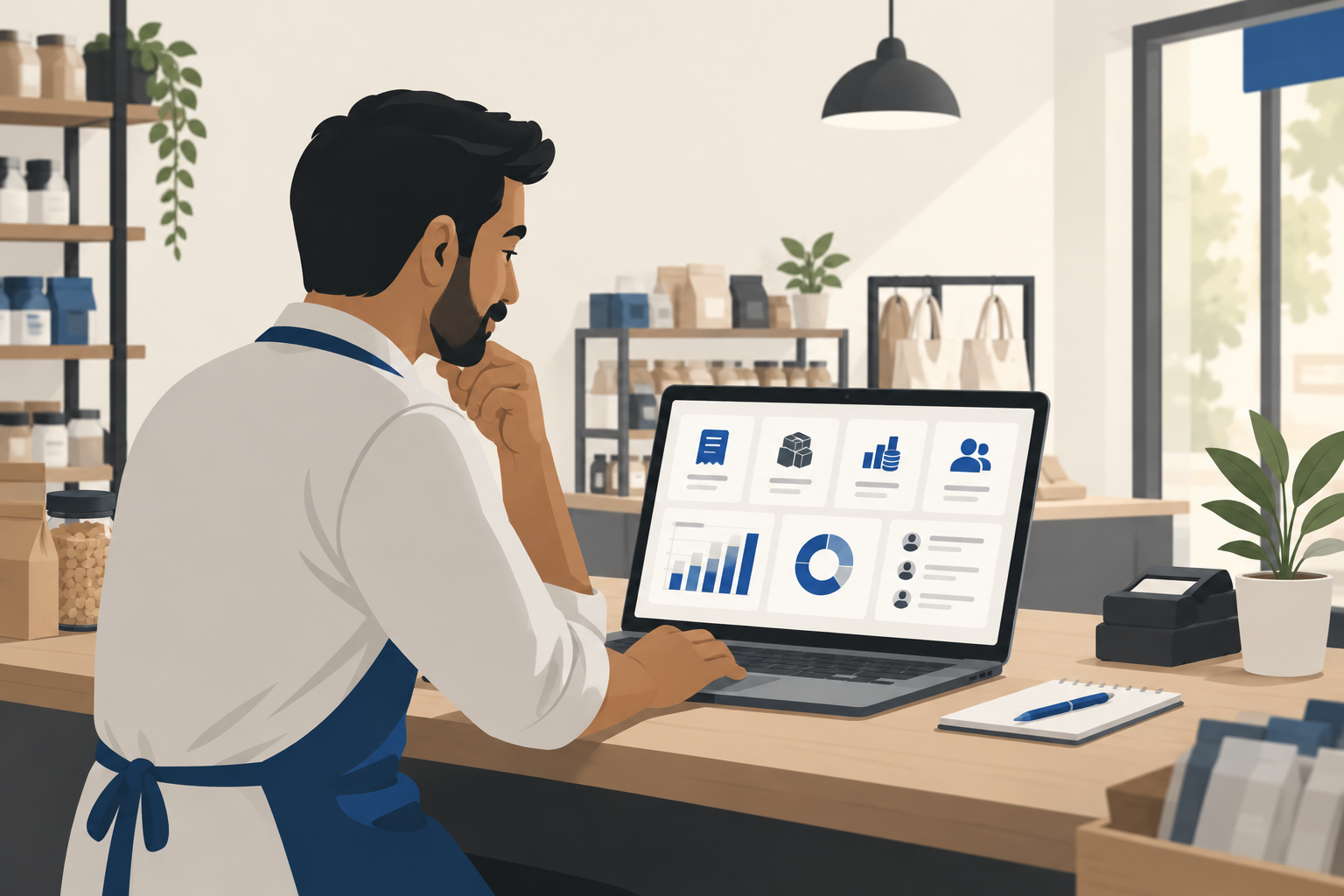
- See simple reports, like how many leads came this month and how many converted
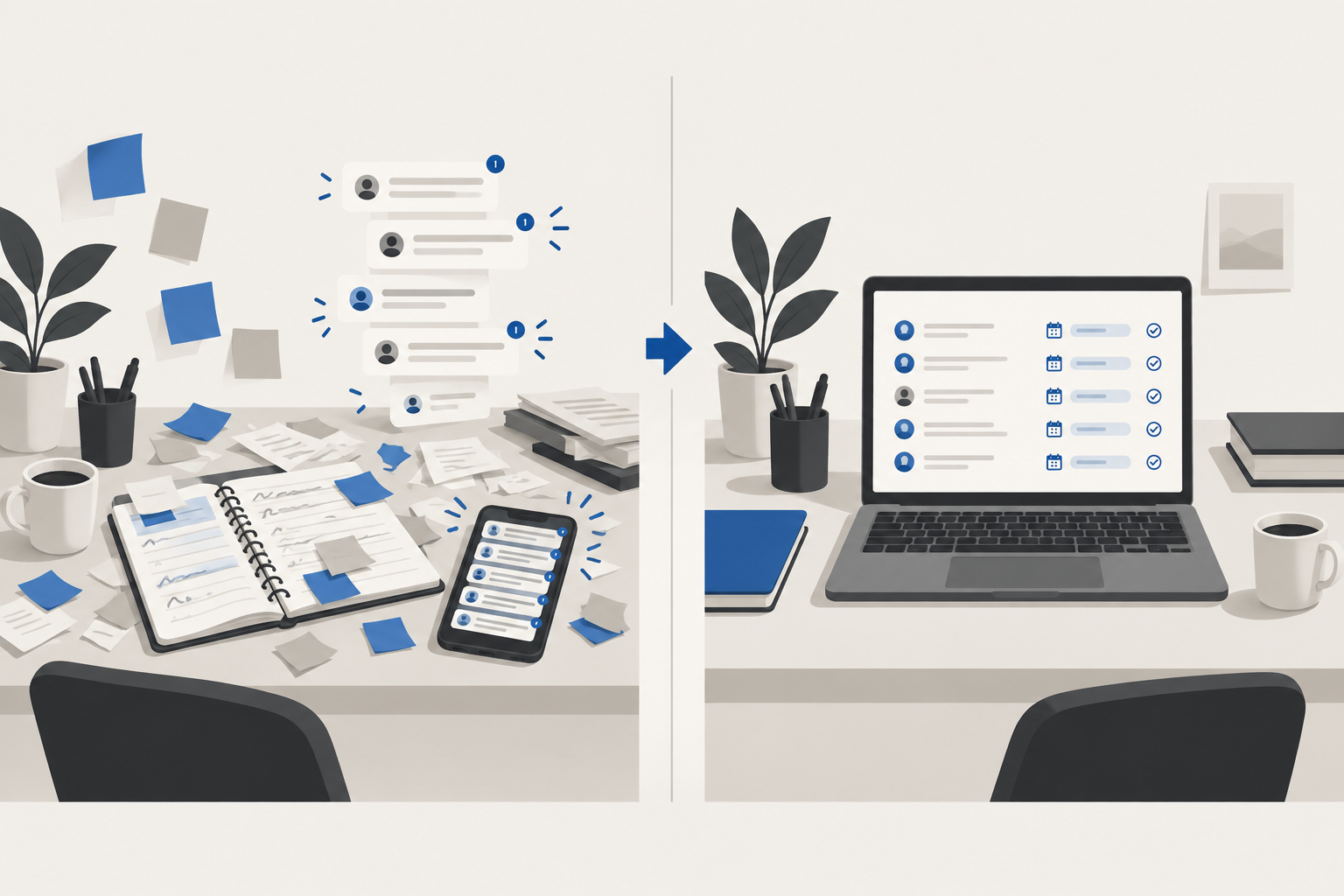
If you have ever lost a sale because "someone forgot to call back", you need a CRM.
Signs your business needs a CRM now#
You do not need a big sales team to benefit. A CRM starts paying back when:
- You get more than 10–15 enquiries a week
- More than one person talks to customers
- Leads come from three or more channels
- You often ask staff, "Did anyone call that customer?"
- You cannot say how many enquiries turned into sales last month
- A staff member leaves and takes customer contacts on their personal phone
That last point is very common. When customer data lives in one person's WhatsApp, your business does not really own it.
How a CRM pipeline works#
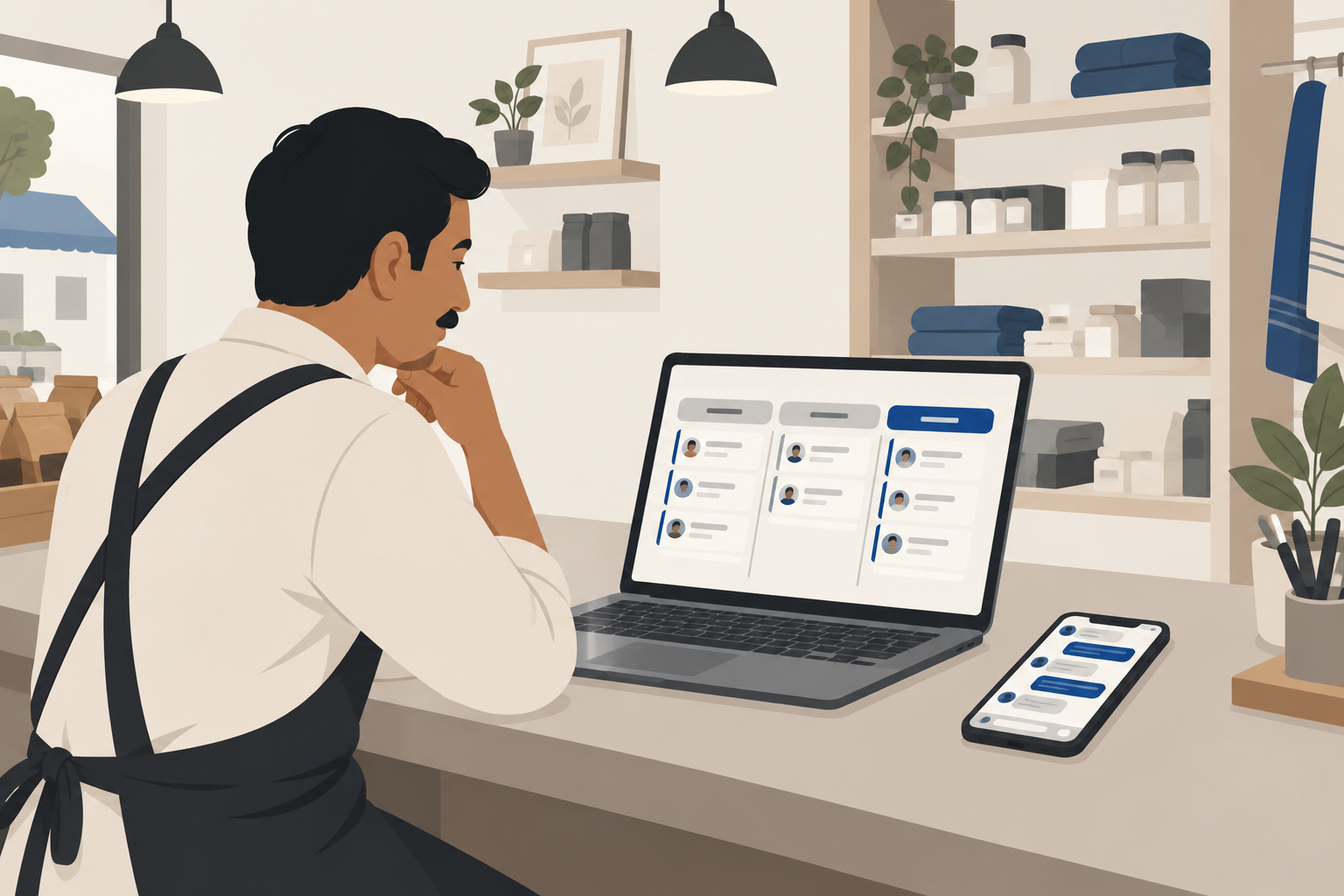
The heart of most CRMs is the sales pipeline. It is a simple board with columns. Each lead is a card that moves from left to right as the deal progresses.
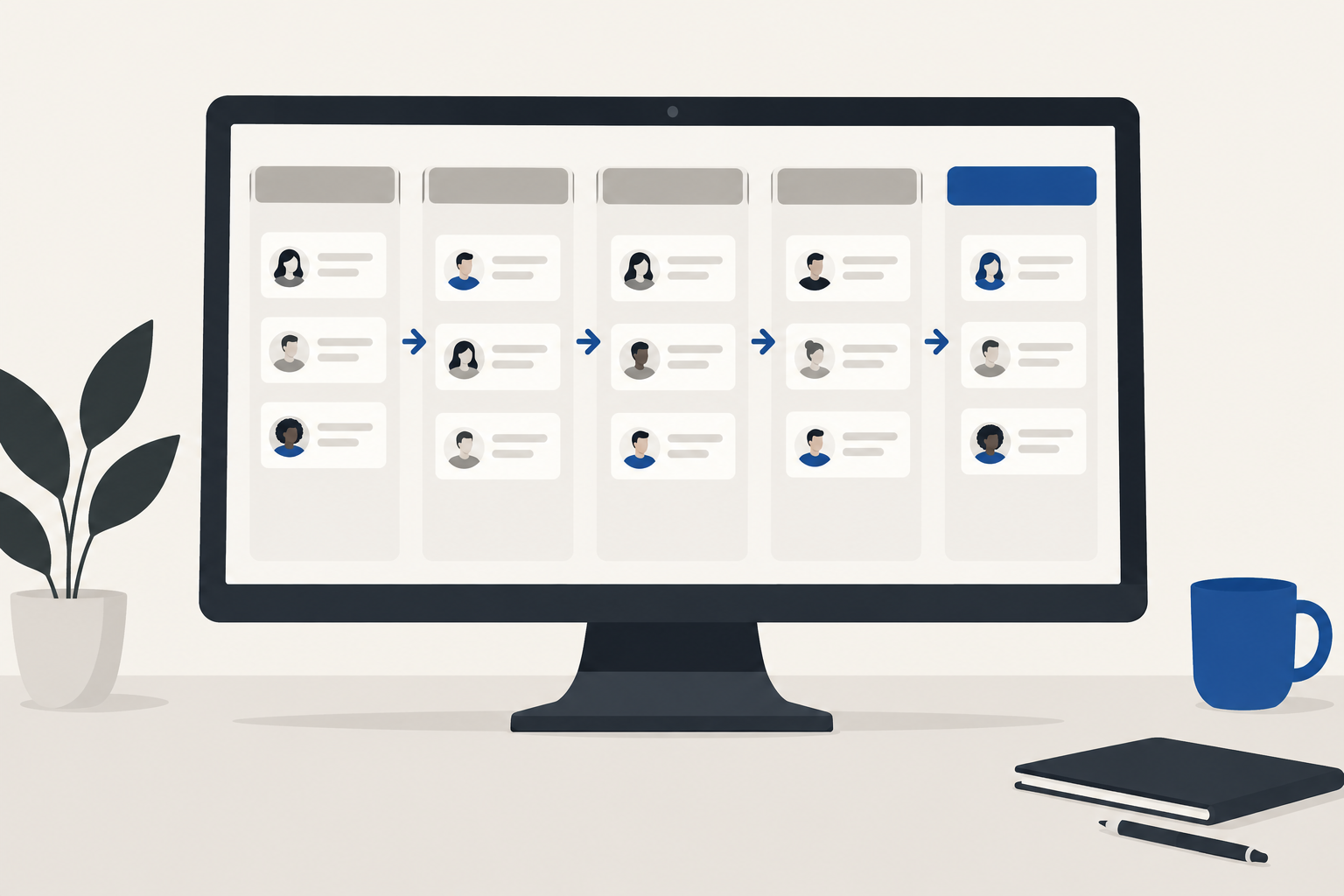
A typical small business pipeline looks like this:
| Stage | What it means |
|---|---|
| New Enquiry | Lead has just come in |
| Contacted | First call or message done |
| Quote Sent | Price or proposal shared |
| Negotiation | Customer is discussing price or terms |
| Won / Lost | Deal closed, with reason noted |
Just seeing this board every morning tells you where the money is stuck.
CRM software cost in India (2026)#
Here is the good news: you can start for free. Most well-known CRMs offer a free plan good enough for a 1–3 person team. Prices below are published list prices and change often, so always check the vendor's pricing page before you buy.
| CRM | Free plan | Paid plans (approx.) | Good for |
|---|---|---|---|
| Bigin by Zoho | Yes | From about ₹400 per user/month, billed yearly | Very small teams moving from Excel |
| Zoho CRM | Yes, up to 3 users | Roughly ₹800–₹2,600 per user/month | Growing teams that want automation |
| Freshsales | Yes | Roughly ₹0–₹5,800 per user/month across tiers | Sales teams that make many calls |
| HubSpot CRM | Yes, no time limit | Starter about $20 (₹1,800) per seat/month | Businesses focused on online marketing |
| Custom CRM | — | One-time build cost + hosting | Unusual workflows or deep integration |
Bigin's starting price comes from Zoho's own India pricing clarification, which lists Express at ₹400, Premier at ₹720 and Bigin 360 at ₹1,080 per user per month on annual billing. Zoho CRM's free edition covers up to three users, and its paid tiers in India run roughly from ₹800 to ₹2,600 per user per month. Freshsales ranges from free up to about ₹5,800 per user per month across its four tiers. HubSpot's basic CRM is free with no expiry, with Starter around $20 per seat.
Hidden costs to watch#
The monthly price is not the full story. Ask about:
- WhatsApp Business API charges — the CRM may connect to WhatsApp, but Meta charges per conversation separately. Our WhatsApp chatbot cost guide explains these charges.
- Billing currency and GST — some international CRMs bill in US dollars from outside India. Check whether you get a proper GST invoice.
- Add-ons — calling minutes, extra storage, AI features and advanced reports often cost extra.
- Setup and training — partners usually charge for setup, data import and staff training.
Must-have features for Indian small businesses#
Do not get lost in long feature lists. For most Indian small businesses, these six features matter most:
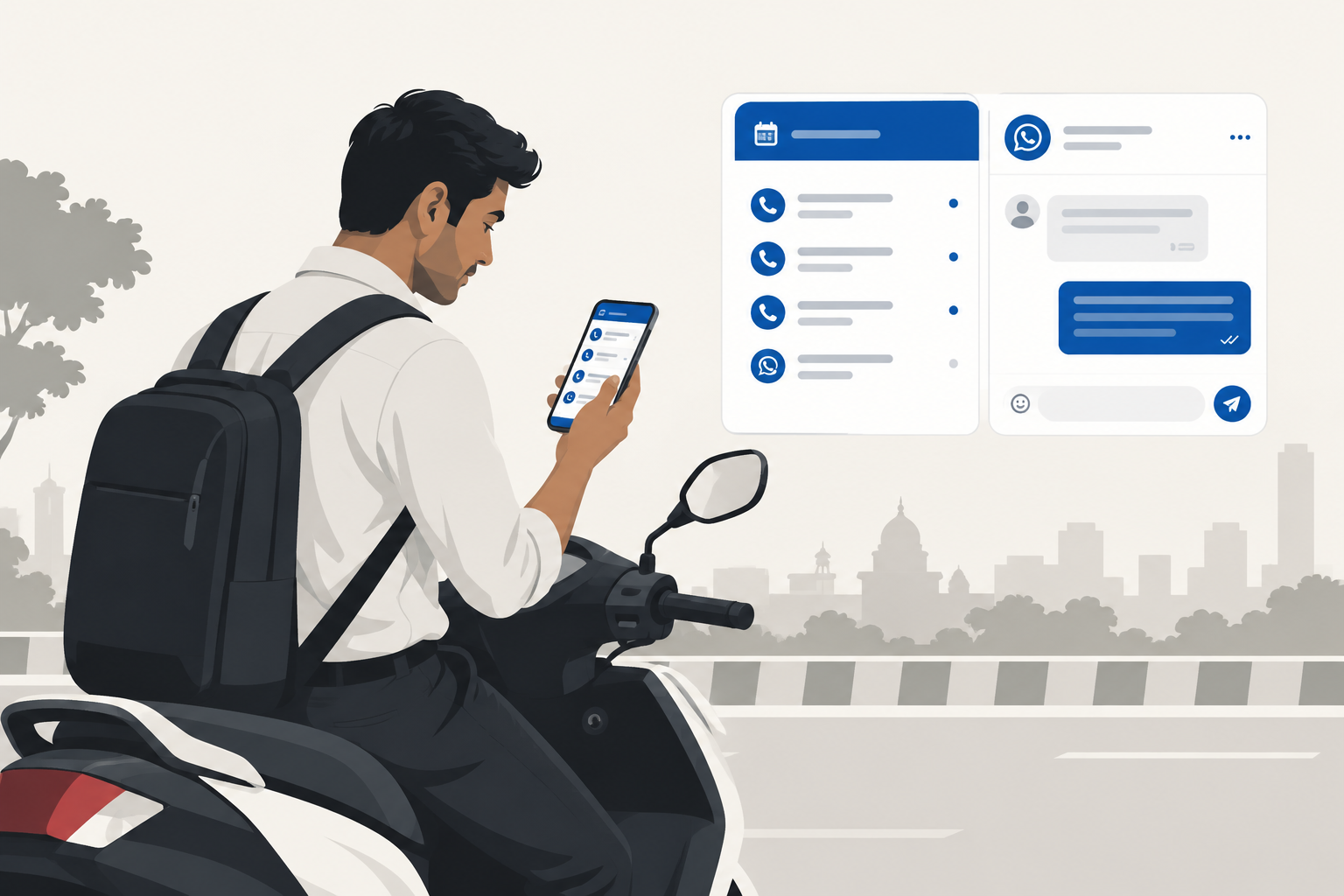
- WhatsApp integration — your customers are on WhatsApp, so your CRM should log those chats.
- Good mobile app — sales staff work from the field, not from a desk.
- Lead capture from all sources — website forms, Facebook and Instagram ads, IndiaMART, JustDial.
- Follow-up reminders — the single feature that brings back the most lost sales.
- Simple reports — leads by source, conversion rate, and pending follow-ups.
- Hindi or regional language support — if your team is more comfortable that way.
Nice-to-have: email templates, quotation creation, call recording, and links to your billing software or ERP.
CRM and India's new data protection rules#
India's Digital Personal Data Protection (DPDP) Rules were notified in November 2025. The main duties for businesses — consent, notices, customer rights and breach reporting — become enforceable on 13 May 2027.
For a CRM, this means:
- Record why you collected a customer's number and what they agreed to
- Do not add every enquiry to your WhatsApp marketing list without permission
- Make it easy for a customer to ask you to delete their data
- Keep customer data in a proper system, not on staff personal phones
A CRM actually makes this easier, because all data is in one place. When choosing, ask the vendor where data is stored and whether it supports consent fields.
Ready-made CRM or custom CRM?#
For most small businesses, a ready-made CRM is the right start. It is cheap, quick to set up and keeps improving.
A custom CRM makes sense when:
- Your process is unusual — for example, site visits, service jobs, admissions or dealer networks
- You need it tightly connected to your own website, app or billing system
- Per-user fees become too high as your team grows past 20–30 people
- You want to fully own the software and data
Our guide on custom software development service in India covers costs and timelines in detail.
How to choose and set up a CRM in 7 steps#
- Write down your sales steps on paper first — from enquiry to payment.
- List your lead sources — where do enquiries come from today?
- Shortlist two or three CRMs that have a free plan or trial.
- Test with real leads for two weeks, not with dummy data.
- Ask your sales staff which one they found easiest. They will use it daily.
- Import old contacts from Excel and phones before going live.
- Make one rule: if it is not in the CRM, it did not happen. Check the pipeline in every weekly meeting.
Common mistakes to avoid#
- Buying the biggest plan on day one. Start small and upgrade when you actually need a feature.
- Too many pipeline stages. Five or six stages are enough for most businesses.
- No owner. One person must be responsible for keeping the CRM clean.
- Not training staff. A one-hour session saves months of half-used software.
- Ignoring mobile. If the app is slow, field staff will go back to their diaries.
Final thoughts#
A CRM is not just software. It is a habit of writing down every customer conversation and following up on time. The tool only makes that habit easy.
Start with a free plan, use it seriously for one month, and measure how many more leads you convert. For most small businesses in India, even two or three extra sales a month pay for the CRM many times over.
If you need help choosing a CRM, connecting it to your website and WhatsApp, or building a custom CRM for your workflow, talk to the Larwell team. We work with businesses across Bokaro, Jharkhand and beyond.